
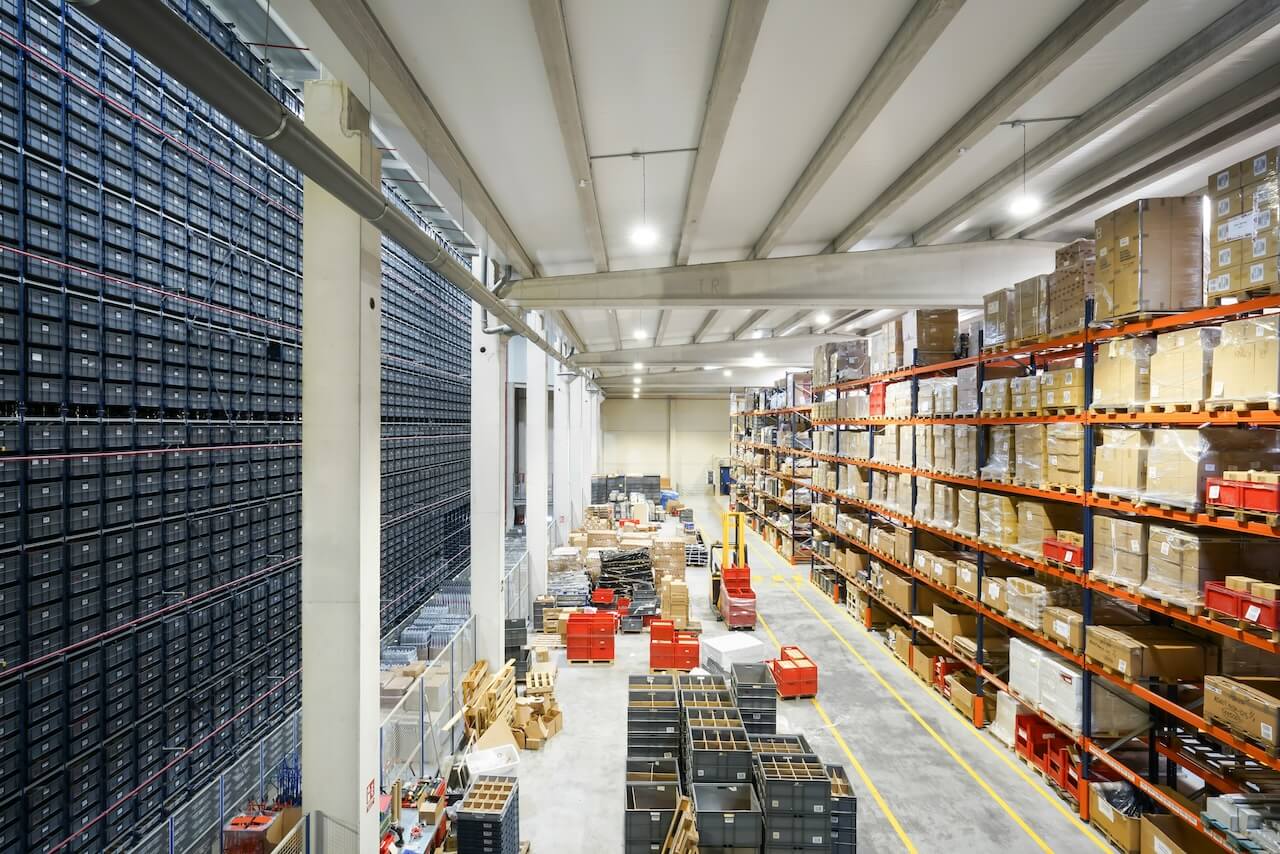
Inventory protection is often associated with locks, security cameras, alarms, and controlled access points. While those safeguards are essential, they only address one category of risk: theft. Every year, warehouses and distribution centers lose valuable inventory to another silent threat—temperature fluctuations, condensation, and excess moisture. These environmental hazards can quietly damage products long before anyone notices a problem.
A secure warehouse is more than a building with restricted access. It also needs a durable building envelope that maintains stable indoor conditions regardless of the weather outside. Investing in insulation materials from suppliers such as CMI Insulation helps businesses create an environment that protects inventory from heat, cold, humidity, and moisture, reducing costly losses and improving operational efficiency.
Why Warehouse Insulation Is an Inventory Lifesaver
Metal warehouses are popular because they are durable, affordable, and quick to construct. However, steel conducts heat exceptionally well, making uninsulated buildings vulnerable to dramatic temperature swings throughout the day and across seasons.
Without proper insulation, indoor temperatures can fluctuate rapidly, placing unnecessary stress on stored inventory. Sensitive products—including pharmaceuticals, food ingredients, electronics, chemicals, paper products, and manufacturing components—often require stable environmental conditions to maintain quality.
Poor insulation also contributes to condensation. When warm indoor air comes into contact with cooler metal walls or roofing panels, moisture forms and can drip onto products below.
Over time, this “warehouse sweating” can lead to:
- Rust and corrosion
- Mold and mildew growth
- Damaged packaging
- Product contamination
- Reduced shelf life
- Costly inventory losses
Maintaining consistent temperatures is one of the most effective ways to preserve inventory quality while extending the lifespan of stored goods.
What Are the Security Measures for Inventory?
The most effective security measures for inventory include implementing strict access control, installing comprehensive surveillance systems, utilizing RFID technology, and deploying advanced inventory management software with barcode scanning to prevent warehouse theft. However, true inventory protection also requires environmental security to safeguard products from temperature fluctuations and moisture damage.
Physical and digital security solutions reduce shrinkage caused by theft, but they cannot stop condensation from ruining thousands of dollars of merchandise overnight. That is where a properly insulated warehouse becomes an essential part of an overall inventory protection strategy.
Moisture, Condensation, and the 2/3 Rule of Insulation
Condensation develops when warm, humid air reaches a cooler building surface and cools below its dew point. In metal buildings, this frequently occurs on roof panels or wall systems during seasonal temperature changes.
The result is moisture collecting inside the building, where it may drip directly onto inventory, equipment, or production areas. One important building science principle for preventing condensation is the 2/3 rule of insulation, sometimes called the 1/3-2/3 rule. This guideline recommends placing at least two-thirds of the total wall or roof R-value on the exterior side of the primary vapor control layer. Keeping structural components warmer helps prevent moisture from forming inside the assembly.
Continuous insulation further improves performance by reducing thermal bridging—the transfer of heat through metal framing members—which minimizes cold spots where condensation commonly develops. When these design principles are followed, warehouses experience more consistent indoor temperatures and significantly lower moisture-related risks.
Types of Warehouse Insulation Materials
Different facilities require different insulation solutions depending on climate, building design, and operational needs.
Fiberglass insulation remains one of the most common choices because it offers an economical solution with R-values typically ranging from approximately R-2.9 to R-3.8 per inch. Available in batts and rolls, it performs well in many commercial buildings.
Mineral wool provides excellent fire resistance while maintaining performance even when exposed to moisture. Its durability makes it attractive for industrial environments.
Spray foam insulation delivers high thermal resistance while sealing air leaks in one application. Although more expensive initially, it can provide exceptional long-term energy performance.
Rigid foam boards, including EPS, XPS, and polyisocyanurate (polyiso), offer high insulating values and continuous thermal protection. Advanced CMI specialty insulation systems often incorporate custom-engineered polyiso panels and industrial ceiling insulation solutions that maximize efficiency while minimizing thermal bridging across large commercial structures.
Selecting the right insulation system depends on the facility’s climate, inventory requirements, and long-term operational goals.
Safety Precautions When Working with Insulation
Proper installation is critical for achieving maximum insulation performance while protecting installation crews.
Recommended personal protective equipment includes:
- Long-sleeved shirts
- Long pants
- Protective gloves
- Head coverings
- Safety glasses or goggles
- Appropriate respiratory protection when required
Following manufacturer installation guidelines helps reduce exposure to airborne fibers and dust while ensuring insulation performs as intended for decades. Professional installation also minimizes installation errors that could reduce thermal efficiency or create future moisture problems.
Energy Savings, Compliance, and Return on Investment
Better insulation does more than protect inventory—it lowers operating costs.
Well-insulated warehouses often reduce heating and cooling loads by 10% to 30%, depending on climate, building age, and existing insulation. Reduced HVAC demand translates directly into lower utility bills while maintaining more stable indoor temperatures.
Proper insulation also helps facilities comply with modern building energy standards, including
IECC requirements and ASHRAE 90.1 recommendations. Designing warehouses to meet current energy codes supports long-term operational savings while improving overall building performance.
For many commercial facilities, insulation upgrades achieve payback within three to five years through energy savings alone. When inventory losses are avoided, maintenance costs are reduced, and product quality is improved, the financial return becomes even more compelling.
Protecting inventory requires more than preventing theft. Environmental conditions inside a warehouse play an equally important role in preserving product quality, minimizing waste, and maintaining profitability.
By combining traditional security measures with high-performance insulation, facility owners create a warehouse that defends against both external threats and hidden environmental hazards. Stable temperatures, reduced condensation, lower energy costs, and improved building performance all contribute to stronger inventory protection.
If your warehouse has never undergone an insulation assessment, now is an excellent time to evaluate its performance. Upgrading your building envelope today can help protect valuable inventory, improve operational efficiency, and deliver measurable savings for years to come.
