
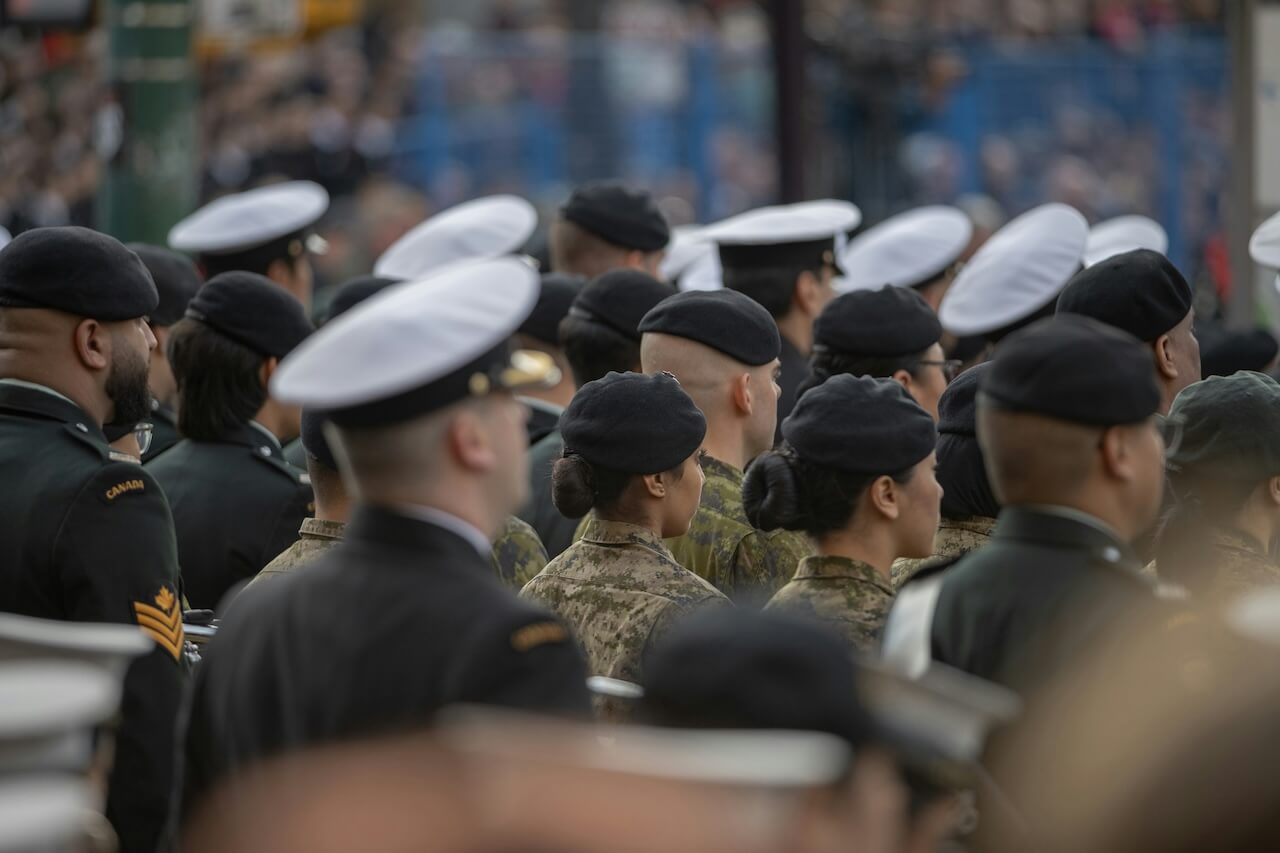
Transitioning from military aviation to commercial airline flying is a well-established route, but it still requires planning, certification, and a clear understanding of how civilian aviation differs from military operations. Many service members possess the discipline, experience, and technical skill that commercial airlines value, yet the transition involves new procedures, training standards, and hiring processes. With the right preparation, former military pilots can move smoothly into long-term careers in commercial aviation.
Translating Military Flight Experience Into Civilian Credentials
Military pilots often accumulate significant flight hours, including experience in demanding environments. However, civilian licensing requirements remain standardized regardless of military background. Pilots must obtain the Federal Aviation Administration Airline Transport Pilot certificate, which is the highest-level pilot license in the United States. Military experience typically counts toward required flight hours, but applicants must still complete written exams, medical evaluations, and simulator checks.
Some aviation schools offer bridge programs designed specifically for military personnel. These programs help service members translate military flight records into civilian equivalents, prepare for FAA testing, and refresh skills needed for commercial operations. Keeping documentation organized during active service makes this step easier, especially for pilots with diverse flight assignments.
Adapting to Commercial Flight Operations
Military aviation emphasizes mission execution, tactical decisions, and operational readiness. Commercial flying shifts the focus to passenger safety, customer experience, and standardized procedures across multiple crews and aircraft types. Learning to operate within a structured airline environment is a key part of the transition.
Crew resource management takes on a different tone in commercial flying, where pilots work with colleagues who may change frequently from flight to flight. Understanding customer-service expectations, communicating with cabin crews, and following company-specific protocols all require adjustment. Many former military pilots find this shift straightforward once they familiarize themselves with civilian workflows.
Preparing for the Hiring Process
The hiring process in commercial aviation is competitive and structured. Resumes should clearly present flight hours, aircraft types flown, leadership roles, and safety accomplishments. Interview preparation matters, as candidates must demonstrate strong communication skills, decision-making under pressure, and the ability to work in a customer-centered environment.
Airlines value military discipline and experience, especially in high-stress or time-sensitive situations. With many airlines recruiting new pilots to meet long-term demand, military aviators often find strong interest in their backgrounds. Networking with current commercial pilots, attending job fairs, and connecting with veteran-focused aviation organizations can broaden opportunities.
Transitioning from military service to a commercial airline role requires certification, flexibility, and an openness to new procedures. With strong demand and well-established training pathways, military pilots are well-positioned to turn their experience into successful careers in commercial aviation. Look over the infographic below for more information.

